| Destinations
|
|||||
Overview The upper reaches of Dachigam become inaccessible to visitors during
winters as the temperature dips as low as -10 degree Celsius. Some
birds and animals found during this time of the year include
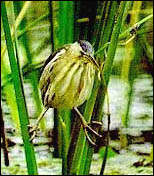
cinnamon sparrows, black and yellow grosbeak, black bulbuls, monal
pheasant and the Himalayan grey langur. The leopard, jackal, hill
fox, yellow-throated marten, wild boar, Himalayan griffon,
lammergeyer, leopard cat, long tailed blue magpie, jungle cat and
Himalayan weasel can be sighted during winter.
Spring finds the Himalayan black bear returning from his winter
hibernation in rocks. Winged creatures also become active and golden
orioles, pygmy owlets, Himalayan pied woodpeckers, warblers,
babblers, buntings and laughing thrushes tweet and chirp among the
trees. During the short summer, new varieties of birds like
red-browed finch, Himalayan ruby throat and wag tails also make an
appearance in the upper reaches. The parks in higher altitudes still
harbour a few Himalayan brown bear.
|
More on Kashmir • Overview • History • People • Economy • Festivals • Wildlife • Adventure • Tourist Information • Climate Places to Visit • Drass • Gulmarg • Jammu • Pahalgam • Sonamarg • Srinagar • Ladakh • More on Ladakh • Pilgrim Places • Amarnath Yatra • Vaishno Devi Travelogues • Kashmir • Journey to Ladakh
Adventure |
||||
How to Get There Accommodation Best Season Whom to contact Compiled by Puneet Sachdeva |
|||||
 |
|||||
Editor: Romola Butalia (c) India Travelogue. All rights reserved. |
|||||
 Spread over 140 sq. km, spanning heights between 5,500 to 14,000
feet above sea level, the reserve has a wide variety of landscape
like rain forests, grass lands, broad leaved woodlands, coniferous
forests, bare rock faces and alpine pastures. Considered home to
some unique Himalayan fauna, the hangul or Kashmir stag is the most
endangered species of red deer in the world.
Spread over 140 sq. km, spanning heights between 5,500 to 14,000
feet above sea level, the reserve has a wide variety of landscape
like rain forests, grass lands, broad leaved woodlands, coniferous
forests, bare rock faces and alpine pastures. Considered home to
some unique Himalayan fauna, the hangul or Kashmir stag is the most
endangered species of red deer in the world.