| Destinations
|
|||
Few visitors to Bombay are aware that it is the only metropolis in the world with 104 sq kms of virgin forest within its borders, just waiting to be explored.
For visitors who are eager to stray off the beaten track, the Sanjay Gandhi National Park, better known as the Borivli National Park, offers a pleasant change from the usual sights and attractions of the big city.
A Park for All Seasons Krishnagiri Upvan or Recreational Area |
Maharashtra • Forts • Panhala • Aurangabad • Ajanta & Ellora • Ganapatipule • Hill Stations • Karnala
Travelogues • Rock Climbing • Trekking • Paragliding Leisure • Elephanta Caves • Nature Trail |
||
Kanheri
Nature Trails
The Lion Safari & Deer Park
 Tulsi and Vihar Lakes
Area: 104 sq kms. By Rail: Borivli is a 40 minute train ride from Churchgate Station in South Mumbai. On Sundays and public holidays, a regular bus service plies between Borivli station and Kanheri Caves, passing through the recreational area. Taxis are also available. By road: Borivli is accessible by road. Depending on the traffic, the trip could take around 75 minutes from Churchgate, driving along the Western Express Highway.
Information: Courtesy Government of India |
|||
 |
|||
Editor: Romola Butalia (c) India Travelogue. All rights reserved. |
|||
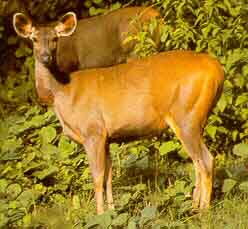 The Samadhi of Mahatma Gandhi, the lion safari park, the deer park and gardens are all located in this area. A mini train winds along a picturesque, 15 minute route over bridges and through tunnels, past the foothills of the samadhi and the deer park. Boating facilities are available on the lotus-studded lake on the Dahisar River and picnic areas have stalls where you can sample Bombay's famous bhel-puri and pani-puri. The Aarey Milk Colony and Film City are both situated within the area of the park and are also well worth a visit.